
Rare skin diseases
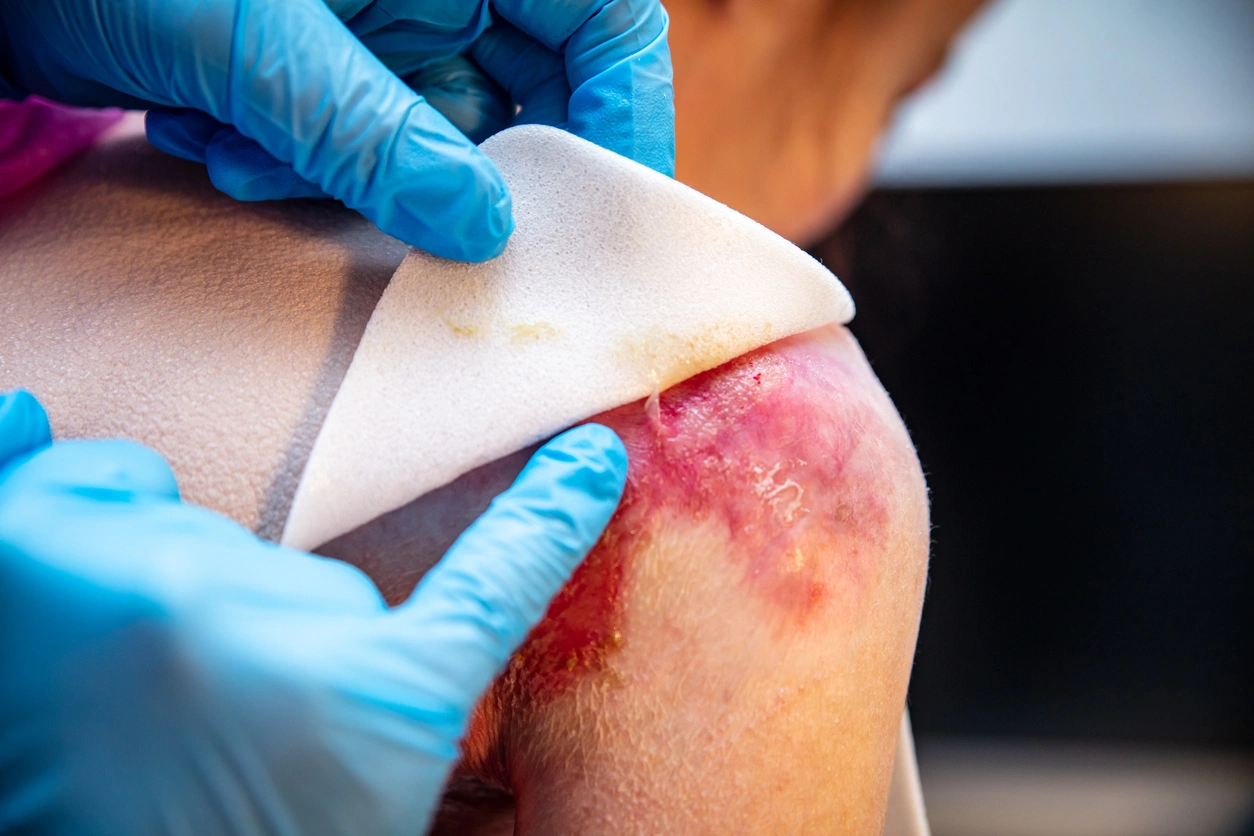
Mostly of genetic origin, these diseases are often chronic, progressive, and degenerative, severely affecting patients’ quality of life. Despite this high burden on patients, most of these diseases do not have approved treatments, and therapeutic resources used are off-label options.
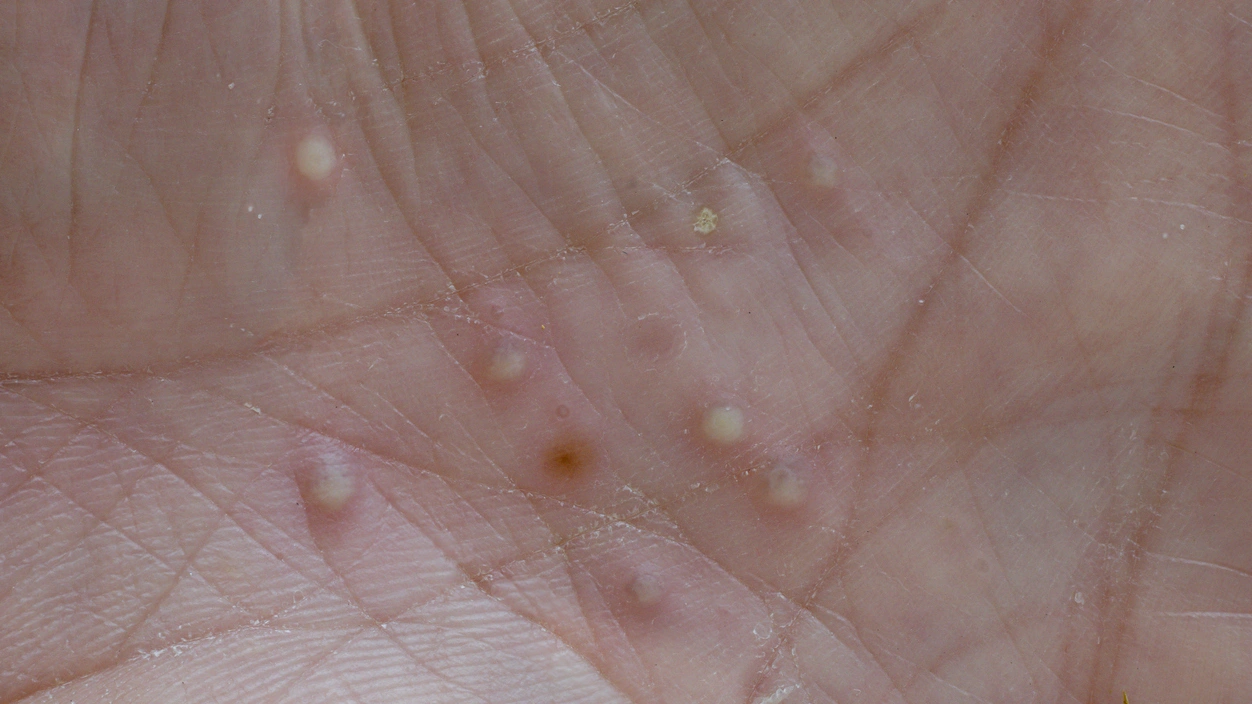
Rare skin diseases include more than 800 diseases affecting around 6.8 million patients worldwide, many of whom have high unmet needs. Have a closer look at some of the skin conditions that Almirall is currently researching.
Epidermolysis bullosa
Epidermolysis bullosa is a family of rare skin diseases that cause skin fragility and blisters. It is also called the “butterfly skin” disease.
Palmoplantar pustulosis
Palmoplantar pustulosis is a rare skin condition characterized by the eruption of superficial pustules that primarily appear on palms and soles.
FAQs
There is no single rarest skin disease, as rarity depends on population and diagnosis. Extremely uncommon conditions include certain genetic blistering disorders and ultra-rare inflammatory syndromes. Many affect only a few families worldwide and are often underdiagnosed due to limited clinical awareness.
Several skin diseases have no definitive cure but can be managed. These include genetic disorders, chronic inflammatory conditions, and some autoimmune skin diseases. Treatment focuses on symptom control, preventing complications, and improving quality of life rather than complete disease elimination.
Some of the rarest autoimmune skin diseases are severe blistering disorders caused by autoantibodies targeting skin structures. These conditions affect very few people worldwide and often require specialist care due to their chronic, relapsing nature and potential complications.
Melanoma is the most fatal skin disease due to its high potential to spread to other organs. While less common than other skin cancers, advanced melanoma can be life-threatening. Early detection and prompt treatment greatly improve survival rates.